Can You Keep a Chest Freezer Outside?
You can keep a chest freezer outside only if its manual permits outdoor use and your location meets its setup limits. Garage-ready wording alone doesn't cover exposure to weather.
On this page (10 sections)
- Can you keep a chest freezer outside under a roof?
- What must the freezer manual allow?
- Which freezer fits a small sheltered storage area?
- Which monitor suits a distant freezer?
- Which alarm fits a garage or basement freezer?
- When does a large chest freezer make sense?
- How should you prepare the freezer's location?
- What changes in hot weather and winter?
- How do you protect the food and care for the freezer?
- Can you keep a chest freezer outside? Make this decision first
You can keep a chest freezer outside only if its manual permits outdoor use and the location meets all setup requirements. A garage-ready label doesn't guarantee weather protection, and neither freezer below has confirmed outdoor approval in the information provided here.
Choose the location before choosing capacity. A freezer that fits your groceries still won't suit a porch exposed to rain or temperatures beyond its operating limits.
Start with what garage ready means on a chest freezer if you're comparing that label with outdoor use.
Can you keep a chest freezer outside under a roof?
A roof alone doesn't make an ordinary chest freezer suitable for outdoor use. Covered porches can still get wind-driven rain, snow, condensation and direct sun from the sides.
An enclosed, dry room offers more protection, but it must still meet the freezer's allowed ambient temperature range. Ambient temperature means the air around the cabinet, not the temperature inside it.
Don't use a tarp or tight cover to turn an indoor freezer into an outdoor appliance. Covering a running freezer can block ventilation, and trapped moisture adds another problem.
For an open yard or exposed patio, choose a model explicitly approved for that setting. If approval is unclear, move the plan indoors before spending money on a base, shelter or electrical work.
What must the freezer manual allow?
The manual must permit the location, cover your expected temperatures and explain how to install the freezer there. Treat these as separate checks, since meeting one doesn't satisfy the others.
- Location: Look for indoor-only restrictions and any explicit outdoor permission.
- Ambient range: Compare both limits with your hottest afternoons and coldest nights.
- Clearance: Allow the required space around vents and enough room to raise the lid.
- Power: Follow the outlet, grounding and cord instructions.
- Support: Confirm the floor requirements and leveling method.
Neither Frigidaire nor Hamilton Beach provides an ambient operating range in the information supplied for these models. Get that range from the correct model manual before choosing an unheated space.
If the wording leaves doubt, ask the manufacturer whether your specific location is allowed and how it affects warranty coverage. “Under a porch roof” is more useful than simply asking about a sheltered spot.
Which freezer fits a small sheltered storage area?
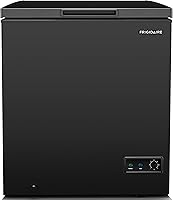
The Frigidaire EFRF5003 suits households that need overflow storage without giving up a long stretch of floor. Its 5 cubic feet fit a smaller frozen-food reserve than the large Hamilton Beach below.
The cabinet measures 23 inches deep, 28 inches wide and 35 inches high. Add the required ventilation clearance and lid-opening space when measuring, rather than treating the cabinet footprint as the full installation area.
Its removable wire basket gives small packets a place near the top. The exterior defrost drain helps with planned maintenance, while the power indicator shows that power is present, not that food is cold enough.
Choose it for extra meal portions and grocery overflow in a suitable garage or indoor room. Skip it for large bulk-food deliveries or any porch where outdoor permission remains unconfirmed.
Before choosing a larger cabinet, use the chest freezer size guide to match capacity to what you actually store.
Which monitor suits a distant freezer?
The MOCREO kit suits readers who need remote alerts and outdoor-capable sensors. Its sensor protection doesn't make the freezer weatherproof or establish outdoor suitability for the hub.
The kit includes 2 LS1 sensors and an H5Pro hub. MOCREO gives a maximum open-air sensor range of 1,640 feet, but walls and a metal freezer cabinet can reduce reception.
Its measurement range is -4°F to 131°F, with accuracy of ±0.9°F. That covers the normal freezer target, but choose a different monitor if you need readings below its lower limit.
App notifications, email alerts and a hub buzzer give you several ways to notice warming. Confirm signal reception with the lid closed and verify that alerts reach your phone from the final location.
Skip this kit if your placement blocks communication or you need a wider low-temperature range. MOCREO's battery-life claim of up to 2 years applies above 32°F, so don't plan freezer battery changes around that figure.
Which alarm fits a garage or basement freezer?
The GoveeLife kit suits indoor freezer monitoring when you want a probe-based setup and local alarms. Keep its components within their permitted conditions rather than mounting them on an exposed porch.
It includes 2 sensors and a gateway, with a measurement range of -40°F to 158°F and accuracy of ±0.9°F. The thin probe cable and included holders help keep placement tidy.
Route the cable as directed and check that the lid gasket closes fully around it. Keep the probe clear of the lid's pinch points and secure it where food won't pull it loose.
Enable the buzzer during setup because it is muted by default. GoveeLife says the battery-powered sensor can sound a temperature alarm during a network disconnection, but remote notifications still depend on connectivity.
Skip it for exposed outdoor equipment. Choose between these monitors by location, reception and measurement range before comparing extra app features.
When does a large chest freezer make sense?
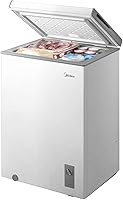
The Hamilton Beach model suits households storing bulk groceries, large meal batches or a substantial seasonal food supply. Its 17 cubic feet make sense only if you can reach, sort and rotate that much food.
The cabinet measures 70 inches wide, 28 inches deep and 35.04 inches high, and weighs 168 pounds empty. Measure turns, gates and doorways along the delivery route as well as the final space.
The stay-open lid helps during loading, and the removable basket keeps smaller items accessible. Its front-access drain also needs room for collecting defrost water.
Choose it for a suitable garage or basement with enough working space. Skip it for a narrow porch, uncertain floor support or a household that would struggle to use older food before buying more.
Arrange proper moving equipment and help. If transport involves tilting the cabinet, read whether you can lay a chest freezer on its side and follow its settling instructions.
How should you prepare the freezer's location?
Use a firm, level, dry base with the required ventilation and lid clearance. Check that the floor can support the freezer plus its eventual food load, especially on a raised porch.
Keep the outlet accessible without trapping the power cord behind the cabinet. Have an electrician resolve unsuitable wiring or outlet placement, and don't use an extension cord unless the freezer instructions permit it.
Plan where defrost water will go before filling the freezer. Leave a clear route for carrying food to backup storage and enough room to reach the drain.
After transport, follow the manual's waiting period before connecting power. Let the empty freezer reach its storage temperature and confirm the reading with a thermometer before adding food.
What changes in hot weather and winter?
Both heat and cold matter because the freezer must operate within its permitted ambient range. Direct sun adds heat, while winter temperatures can fall below the lower limit even beneath a roof.
Can you keep a chest freezer outside in winter?
You can keep a chest freezer outside in winter only when outdoor use is allowed and local lows remain within its operating limits. Cold weather alone doesn't guarantee controlled food storage.
Don't add a heater or modify the thermostat unless the manufacturer approves the change. If the location regularly falls outside the permitted range, choose another room.
For an enclosed space with seasonal extremes, read how to choose a chest freezer for a hot or cold garage.
How do you protect the food and care for the freezer?
Keep the food compartment at 0°F (-18°C) or below and use an independent thermometer. The USDA's freezing and food safety guidance explains freezer storage basics.
Set alarm limits and delays according to the monitor instructions. Brief air-temperature changes after opening the lid differ from sustained warming, so review trends and investigate repeated alerts.
Keep a simple inventory and group food in labeled bins so the lid stays open for less time. Check the gasket for debris, and clear leaves or stored items away from ventilation spaces.
Defrost according to the freezer manual, moving food to suitable cold storage first. Don't chip ice with sharp tools; follow the chest freezer defrosting guide for planning and cleanup.
Can you keep a chest freezer outside? Make this decision first
Keep a chest freezer outside only when outdoor permission, temperature limits and installation requirements all line up. If any part remains uncertain, choose an enclosed location that meets the manual.
Pick the Frigidaire for modest overflow storage or the Hamilton Beach for bulk storage after confirming the space. Add MOCREO for a suitable remote sensor setup, or GoveeLife for indoor probe monitoring.
Use the garage ready chest freezer guide to understand sheltered locations, and the garage placement guide to assess your room. Then compare chest freezers for the garage and deep freezer thermometers and alarms for that approved location.
Frequently asked questions
Can you keep a chest freezer outside under a covered porch?
Only if the freezer's manual permits outdoor use and the porch meets its location requirements. A roof doesn't stop wind-driven rain, damp air or extreme temperatures, so check more than overhead cover; keep the freezer indoors if you can't confirm that the entire setup is allowed.
What temperature should a chest freezer hold if it sits outside?
Keep the food compartment at 0°F (-18°C) or below, wherever the freezer sits; that internal target is separate from the allowed temperature around the cabinet. Use an independent thermometer to check storage temperature, and compare local weather extremes with the freezer's permitted ambient range before choosing its location.
Does a MOCREO sensor work outdoors?
MOCREO's LS1 sensors support indoor and outdoor use and have IP66 protection; that protection applies to the sensors, so keep the hub in a suitable protected location. Check reception with the freezer lid closed because metal can interfere with the wireless signal, even when the distance seems short.
Can the GoveeLife sensors go outside?
Keep this GoveeLife kit indoors because it is designated for indoor use; it suits a garage or basement freezer when conditions meet its requirements. Enable the buzzer if you want a local warning, since alarms are muted by default, and confirm app notifications arrive from the final location.
How heavy is a large chest freezer to move onto a porch?
The Hamilton Beach model here weighs 168 pounds before food is added; arrange suitable moving help and equipment rather than relying on a fixed number of people. Check the route, steps and porch load capacity before delivery, and follow the freezer's transport and settling instructions before plugging it in.