How to Defrost a Chest Freezer Fast
Here's how to defrost a chest freezer: unplug it, move food into cold storage, and let the ice soften before gently removing loose frost. Collect the water, dry the interior, and cool the freezer to 0°F (-18°C) before refilling.
On this page (9 sections)
- How to defrost a chest freezer in six steps
- What should you prepare before unplugging?
- How do you keep food cold while defrosting?
- How can you loosen frost without damaging the freezer?
- How do you control meltwater with or without a drain?
- What should you clean and dry before restarting?
- How do you know the freezer is ready to refill?
- When should you defrost, and how can you slow frost buildup?
- Which supplies do you actually need for defrosting?
Here's how to defrost a chest freezer: unplug it, protect the food, let the frost soften, and remove only loose ice with an approved plastic tool. Collect the meltwater, dry the interior, and bring the freezer back to 0°F (-18°C) before returning food.
The fastest useful approach starts with preparation. Have cold storage and water-catching supplies ready before opening the lid, so neither food nor puddles become a problem halfway through.
How to defrost a chest freezer in six steps
Empty, unplug, thaw, drain, dry, and cool is the basic order. Read your freezer's manual first for its drain instructions, approved tools, and restart procedure.
- Prepare another freezer or an ice-packed cooler for the food.
- Switch off and unplug the chest freezer, then empty it promptly.
- Open the lid and let frost soften, gently removing loose pieces if allowed.
- Catch meltwater through the drain or absorb it with towels.
- Clean and dry the interior, then replace drain plugs and caps.
- Restart with the lid closed and confirm the temperature before refilling.
Plan for several hours, including cooling afterward. A nearly empty freezer is easier to manage, so schedule the job before a large grocery trip.
What should you prepare before unplugging?
Prepare cold storage, towels, a shallow tray, and a thermometer before starting. Add a plastic scraper only if your manual permits one; natural thawing is an option if you don't need to buy a tool.
Move nearby boxes and rugs away from the freezer. Keep the cord, plug, and outlet dry, and position towels where water could escape beneath the cabinet.
Check how the lid stays open and remove any overhead obstruction. Don't move a heavy freezer just to reach a drain unless you can do so safely.
How do you keep food cold while defrosting?
Move food into another running freezer when possible. Otherwise, pack it closely in insulated coolers with ice or frozen packs, and keep the lids shut.
Put coolers in a cool indoor spot, away from direct sun. A basket helps carry packages, but it provides no insulation and cannot replace a cooler.
Don't assume food stayed safe because a package feels cool outside. Food that still contains ice crystals or remains at 40°F or below can generally be refrozen, though quality may change.
Discard perishable food held above 40°F for more than 2 hours, and never taste it to judge safety. USDA's freezing and food safety guidance explains thawing and refreezing decisions.
Do organizer bins help with chest freezer defrosting?
Organizer bins help when moving food in groups will make emptying and refilling easier. They suit households sorting meat, vegetables, and prepared meals into separate sections.
The MSERCUOR set includes 4 metal baskets with straight sides, folding construction, and handles that turn inward for stacking. Each basket measures 15.1 x 8 x 6.5 inches.
Measure the freezer opening, interior floor, and space above the compressor hump before buying. A freezer's stated capacity doesn't guarantee that these baskets will fit.
Skip this set if you store bulky cuts that need open floor space or already have baskets that lift out easily. Avoid overloading any basket you need to carry.
How can you loosen frost without damaging the freezer?
Leave the lid open and let the ice soften before touching it. Remove loose chunks as they release, which reduces the amount of water you'll need to collect.
Keep a plastic scraper nearly flat against the surface and use light pressure. Stop if you need to bend the tool, dig into a corner, or lever ice away from the wall.
Never use knives, screwdrivers, ice picks, or metal scrapers. A puncture can damage the freezer beyond a simple liner repair.
Don't use a hair dryer, heat gun, or electrical heater around the wet cabinet. Use a container of warm water only if your manual allows it, following its placement and temperature instructions.
Who should choose the SKrAPr set?
Choose the SKrAPr set if you want a general household scraper plus a smaller tool for detail work. The set includes a large scraper with a 1.7-inch blade and a mini version.
SKrAPr describes the tools as non-scratch and chip-resistant, but light pressure still matters on a freezer liner. Its rounded handle suits people who prefer a palm grip.
Skip it if your freezer requires its supplied scraper or you want a broad shovel for gathering loose frost. The freezer manual takes priority over a tool's surface-protection claims.
The blade can be resharpened with 400-grit sandpaper according to SKrAPr's care instructions. That maintenance feature isn't a reason to create a sharper edge for stubborn freezer ice.
Who should choose the MSTEKI set?
Choose MSTEKI if you want several scraper sizes for different areas rather than one main blade. Its large, medium, and small plastic tools give you options for broad surfaces and tighter spaces.
The large tool measures 11 x 5 inches, so check that you have room to move it without catching baskets supports or corners. Use smaller tools for access, never for digging into seams.
Skip this set if one approved scraper already handles the job. Rinse and dry the tools after use, and replace any with cracked or damaged edges.
How do you control meltwater with or without a drain?
Use the drain if your freezer has one; use towels and a container if it doesn't. Locate any inner plug and outer cap before the ice starts melting.
How to defrost a chest freezer with a drain
Position a shallow tray under the outlet before opening the drain as instructed. Keep loose ice away from the opening and check the tray often so it doesn't overflow.
Don't force a blocked plug or poke a tool down the drain. Allow surrounding ice to soften, then follow the manual's steps.
Without a drain, lift out loose ice with a plastic bowl and absorb water with towels. Avoid tipping the cabinet to pour water out.
What should you clean and dry before restarting?
Wipe the liner, corners, drain area, and removable baskets, then dry them fully. Defrosting is a useful time to remove spilled food before it freezes onto the surface again.
Use cleaning products allowed by the manual, with no abrasive pads. Our guide to how to clean a deep freezer covers the full cleaning process.
Check the lid seal for crumbs or packaging caught against it. Replace all drain plugs and caps before reconnecting power.
How do you know the freezer is ready to refill?
Confirm an interior temperature of 0°F (-18°C) or below before returning frozen food. Follow the restart instructions, close the lid, and allow time for the cabinet to cool.
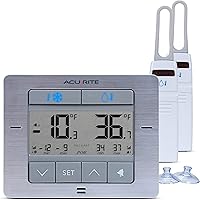
The PECULA 2-pack suits readers who want a simple temperature check without batteries. Its analog dials can hang or stand inside the freezer.
Place a thermometer where you can read it without digging through food, away from direct contact with the walls. Give it time to settle after placement or a lid opening.
Skip this pair if you need a remote display or a temperature alarm. Compare those options in our guide to deep freezer thermometers and alarms.
For ongoing settings, see what temperature a deep freezer should be. If the cabinet won't cool properly, check the plugs, seal, and controls before contacting support.
When should you defrost, and how can you slow frost buildup?
Follow the manual's frost-thickness guidance rather than waiting for the lid or baskets to jam. Inspect the walls regularly so you can plan the job while cold storage is available.
Limit lid-open time, close packages tightly, and keep the seal clean. Don't load warm food directly into the freezer; cool it safely first.
Recurring heavy frost near the lid calls for a seal check. For an aging appliance with other problems, how long chest freezers last can help with the repair-or-replace decision.
If it's installed in a garage, review our garage-ready chest freezers guide to check whether the location suits the appliance.
Which supplies do you actually need for defrosting?
For anyone deciding how to defrost a chest freezer, cold storage and temperature checks come first. Buy a scraper only if the manual allows it and your current tools don't fit the task.
Choose SKrAPr for a palm-grip household tool, or MSTEKI for several scraper sizes. Choose the MSERCUOR baskets if moving grouped food solves a storage problem, after measuring the cabinet.
Avoid the common shortcuts: forcing bonded ice, applying direct heat, letting a drain tray overflow, and refilling a warm cabinet. None saves time if it damages the freezer or compromises the food.
After refilling, use how to organize a chest freezer to keep everyday food within reach. If your current baskets don't suit that plan, compare chest freezer organizers and bins before adding more.
Frequently asked questions
How long does it take to defrost a chest freezer?
Allow several hours, with extra time for thick ice and cooling the freezer afterward; the total depends on frost thickness, room temperature, and your freezer's instructions. Choose a day when food can stay safely in another freezer or an ice-packed cooler throughout the job.
Should I unplug a chest freezer before I defrost it?
Yes, unplug the chest freezer before manual defrosting and follow its instructions for any switches or defrost controls. Empty it, keep the lid open, and collect meltwater away from the cord and outlet; reconnect it after drying the interior and replacing any drain plugs.
What scraper is safe for a chest freezer?
Use the scraper supplied with your freezer or a plastic tool that its manual allows; plastic can still damage the liner if you push hard or pry at bonded ice. Wait until frost loosens, keep the blade nearly flat, and avoid knives, screwdrivers, and metal scrapers.
Do I need to empty the freezer to defrost it?
Yes, remove all food and removable baskets before defrosting so you can reach the walls, floor, and drain. Another running freezer is the best temporary storage option; if you use a cooler, add ice or frozen packs, keep it closed, and check that food stays cold.