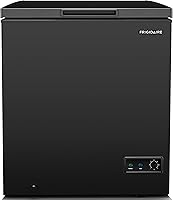
What Temperature Should a Deep Freezer Be?
A deep freezer should be 0 F (-18 C) or colder for long-term frozen food storage. Check the actual temperature with an appliance thermometer, since a numbered dial shows a setting rather than degrees.
On this page (10 sections)
- What temperature should a deep freezer be set to?
- What do the numbers on the freezer dial mean?
- Where should you put a freezer thermometer?
- Which thermometer should you choose?
- How should you check temperature after setup?
- How should you set a freezer alarm?
- What should you do when the freezer reads above zero?
- Does a garage change the temperature setting?
- Which care habits help keep temperatures steady?
- What temperature should your deep freezer hold day to day?
A deep freezer should be 0 F (-18 C) or colder for long-term frozen food storage. Use an appliance thermometer to confirm that temperature rather than relying on the number printed beside the control knob.
The right setup depends on how you use the freezer: a simple dial suits routine checks, a local alarm catches warming while you're home, and remote alerts help when you're away.
What temperature should a deep freezer be set to?
Set your deep freezer so it holds 0 F (-18 C) or colder during normal use. This is the target in USDA FSIS freezing and food safety guidance.
Freezing slows changes that affect food quality, but it does not make food sterile. Wrap food well, label it with a date and use older packages first.
How cold should a deep freezer be below zero?
A small margin below zero can help account for temperature swings and thermometer error. You don't need to turn the control to its coldest position unless the manual calls for it for a specific task.
For example, a sensor with an accuracy of ±0.9 F could read zero while the actual temperature is slightly warmer. Aim slightly lower, then check that the freezer holds its temperature through ordinary use.
What do the numbers on the freezer dial mean?
Numbered dial positions are control settings, not degrees. Check your manual to learn which direction makes the freezer colder and whether the control has an off position.
Start with the recommended setting, then use your thermometer to decide whether an adjustment is needed. Move the dial one small step at a time rather than turning it back and forth throughout the day.
A new freezer needs time to cool before you load it. Follow its startup instructions and confirm the temperature before adding frozen food.
Where should you put a freezer thermometer?
Place the thermometer or probe among stored food near the middle of the cabinet, clear of the walls and lid. Avoid direct contact with a cold wall, which can give an unhelpfully cold reading.
Keep the sensing area exposed rather than burying it tightly inside packaging. Choose a spot where baskets and bags won't knock it loose.
For a wired probe, route the cable as instructed and check that the lid gasket closes around it properly. Never drill a hole through the cabinet to pass a cable.
AcuRite's straps help secure a sensor to a wire basket, while GoveeLife includes probe holders for cable management. Use the same location for ongoing checks so a moved sensor doesn't look like a change in freezer performance.
Which thermometer should you choose?
Choose by how you'll notice a problem, then check that the instrument covers temperatures below zero. A screen outside the freezer saves lid openings, while an alarm helps when you forget to look.
AcuRite suits people monitoring a fridge and freezer at home
The AcuRite set sends readings from a refrigerator sensor and a freezer sensor to one display. Its high and low records help you spot changes that happened between checks.
Choose it if you want customizable audible and visual alarms without using a phone for routine readings. The display can stand on a counter, attach magnetically or hang on a wall.
Skip it if alerts must reach you away from home. It also needs 7 AA batteries across the display and sensors, so include battery checks in your care routine.
PECULA suits people who check the freezer themselves
PECULA's two-pack is the simple choice for manual checks or comparing two locations. The mechanical dials need no batteries and can hang or stand inside the cabinet.
Its scale runs from -20 to 80 F, covering the freezer target with room below it. Use the second thermometer in another appliance or to compare a warmer-looking area of the freezer.
Skip this set if you need a warning while the lid stays closed. A dial cannot alert you to a problem between visits.
GoveeLife suits people who need alerts away from home
GoveeLife is the choice here for app notifications, email alerts and a local buzzer. The pack includes two sensors and a gateway that uses 2.4 GHz Wi-Fi, not 5 GHz.
The probe range is -40 to 158 F, with stated accuracy of ±0.9 F. Choose it for a freezer you don't walk past often, provided your network reaches the installation spot.
Skip it if you want a standalone dial with no network setup. Walls and distance reduce connection range, so confirm reception with the freezer closed.
Rubbermaid needs a range check before freezer use
The Rubbermaid Commercial thermometer offers a battery-free dial, hanging or standing placement, and a shatterproof lens. However, its supplied range information gives a lower limit of 20 F, which would not cover the freezer target.
Choose it only after confirming the actual scale covers below-zero temperatures. Skip it for this job if that remains unclear; a thermometer must show the target you need to measure.
How should you check temperature after setup?
Allow the freezer to stabilize according to its manual, then check readings across a normal day. After changing the setting, allow about 24 hours before deciding whether another adjustment is needed, unless warming calls for prompt action.
Read a dial soon after opening the lid, before room air has much time to affect it. An outside display lets you check without opening the freezer at all.
Record the reading, recent loading and any dial changes. High and low records are useful, but a peak alone doesn't show how long the freezer stayed warm.
How should you set a freezer alarm?
Use a high-temperature alert to catch unusual warming, while allowing for normal brief swings. The storage target and alarm threshold serve different jobs, so follow the alarm instructions rather than treating every moment above zero as spoiled food.
Start with an alert close enough to the target to catch trouble early. If ordinary lid openings cause repeated alerts, check placement and any available delay settings before raising the threshold.
On GoveeLife, the buzzer starts muted, so enable its volume during setup. Confirm that phone notifications are allowed and that an alert reaches the device you'll actually carry.
Local battery-powered alarms can still warn nearby when a network connection fails. Remote messages depend on the connection, so keep a manual checking habit too.
What should you do when the freezer reads above zero?
First check whether the temperature is recovering or continuing to rise. A short air-temperature spike after opening the lid differs from hours of warming caused by a power or appliance problem.
Check these points without repeatedly opening the freezer:
- Make sure packages aren't holding the lid open.
- Confirm the plug, outlet and breaker are working.
- Check whether a large food load was recently added.
- Look for frost or dirt preventing the gasket from closing.
- Check that required ventilation space remains clear.
If it keeps warming, arrange another cold storage option and contact the appliance brand for help. Don't wait for the next daily check.
Judge food separately from the air reading. USDA guidance allows refreezing food that still contains ice crystals or remains at 40 F or below; never taste food to decide whether it's safe.
Does a garage change the temperature setting?
A garage freezer still needs the same food-storage target, but the appliance must suit the garage's ambient temperature range. Turning the dial colder cannot make an unsuitable freezer work properly in extreme heat or cold.
Check the manual's operating limits and ventilation clearances. Our garage-ready chest freezers guide explains the label, while putting a chest freezer in the garage covers placement.
Outdoor use adds rain, moisture and electrical concerns. Read whether you can keep a chest freezer outside before choosing that location.
Which care habits help keep temperatures steady?
Keep the gasket clean, leave ventilation openings clear and remove frost when the manual calls for it. Follow our chest freezer defrosting guide rather than chipping ice with a sharp tool.
Wipe thermometer housings as directed and protect battery compartments and displays from water. Our deep freezer cleaning guide covers cleaning the cabinet.
Group food so you can find it quickly and close the lid sooner. A simple inventory and organized chest freezer layout also reduce forgotten packages.
Avoid loading more unfrozen food than the freezer can handle at once. Follow its freezing-capacity instructions, and don't use extra-cold settings as a substitute for proper loading.
What temperature should your deep freezer hold day to day?
Choose the setting that keeps your deep freezer at or below 0 F during normal use, with a little margin for measurement error. Avoid chasing every brief fluctuation or using the coldest setting without a reason.
Pick PECULA for manual checks, AcuRite for a shared local display, or GoveeLife for remote alerts. Consider Rubbermaid only after resolving its scale range; compare these options in our deep freezer thermometer and alarm guide.
Recheck after a large load, a power interruption or a major seasonal change. If you're weighing colder settings against running costs, see how many watts a deep freezer uses and ENERGY STAR's freezer guidance.
Frequently asked questions
Is 0 F the right temperature for every deep freezer?
Yes, 0 F (-18 C) or colder is the target for long-term frozen food storage in both chest and upright freezers. Follow your manual for setup and operating conditions, then use an appliance thermometer to confirm the temperature; a numbered thermostat setting does not tell you the actual degrees inside.
Why does my thermometer read warmer than the dial?
A numbered dial shows a control setting, so it cannot be compared directly with a thermometer reading in degrees. Recent lid openings, newly added food and sensor placement can also affect the reading; keep the sensor in a stable spot and check again after the freezer has had time to recover.
What if my deep freezer reads above 0 F?
Check the lid, power supply and recent loading first, then watch whether the temperature falls again; a brief rise in air temperature does not mean all the food has thawed. If warming continues, keep the lid closed, arrange colder storage and follow food-safety guidance based on the food's temperature and condition.
Should I set a deep freezer colder than 0 F?
A setting slightly below 0 F can provide room for normal temperature swings and thermometer error; you do not need the coldest setting by default, since extra cooling can increase energy use. Adjust in small steps, allow the freezer to settle and choose a setting that keeps stored food consistently frozen.