Convertible vs Standard Chest Freezer: Which Is Better? (November 2026)
Choose a convertible chest freezer if your storage needs alternate between frozen food and chilled food or drinks. Choose a standard chest freezer for a permanent frozen-food supply; a convertible runs only one mode at a time.
On this page (12 sections)
- What a convertible chest freezer changes
- Who should choose the Midea?
- Who should choose the Frigidaire?
- Which model fits your room?
- Can either freezer work in a garage?
- How to set up and switch modes safely
- How to organize a chest for daily access
- What care and defrosting involve
- Common mistakes that change the buying decision
- What to do during a power outage
- Side by side: which differences matter most?
- Final pick: convertible chest freezer or standard?
A convertible chest freezer is the better choice when you need frozen storage during one stretch and extra fridge space during another. A standard chest freezer makes more sense when frozen meals, meat and vegetables will stay inside year-round.
The Midea adds that flexibility, while the Frigidaire focuses on frozen storage. Both hold 7 cu ft, but their floor space, controls and placement requirements also matter.
If you're still comparing capacity and features, our best 7 cu ft chest freezers roundup covers more choices in this size.
 Best for seasonal storage changes
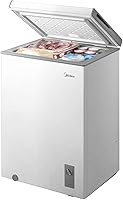
Midea 7 cu ft Convertible Chest Freezer

What a convertible chest freezer changes
A convertible gives you two storage modes in one cabinet, used separately. It doesn't replace a fridge and freezer that you need at the same time.
That distinction matters more than the extra control setting. If your chest stays full of frozen food, fridge mode will be hard to use unless another appliance can hold everything you remove.
The strongest use case is a planned change: frozen garden produce after harvest, then chilled drinks and food during a later gathering. An occasional party is a weaker reason if switching means finding space for months of frozen meals.
A standard chest avoids that changeover altogether. Its contents stay frozen while your main refrigerator handles chilled food.
When a convertible chest freezer earns its space
Choose a convertible when you can name what will change and when. A clear seasonal routine makes the second mode useful rather than an option you never touch.
Before buying, picture the cabinet on the day you want fridge mode. If the answer is “still full of frozen meat,” choose based on freezer performance, fit and features instead.
Who should choose the Midea?
Choose the Midea for changing storage needs or a narrower installation spot. Its second mode is useful for planned overflow, while the interior LED light helps you see food below the top layer.
The removable plastic basket gives small packages a place near the opening. Adjustable legs help level the cabinet during setup, which matters for a lid that needs to close evenly.
Midea backs this model with a 1-year warranty. Its specified garage operating ranges also make placement easier to assess before you buy.
Skip it if you need chilled drinks and frozen food available together every day. Switching modes won't solve that need, and repeatedly unloading the chest would turn a useful feature into a chore.
Also think about what you plan to refrigerate. A deep chest can hold drinks, but reaching bottles at the bottom is less convenient than taking them from an upright fridge shelf.
For a smaller option, see our Midea 3.5 cu ft convertible review. Choose capacity around your normal stock, not the largest gathering you might host.
Who should choose the Frigidaire?
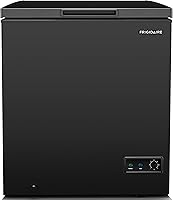
Choose the Frigidaire for a steady frozen-food routine. It suits meal prep, bulk groceries and households that want the chest to keep doing the same job without seasonal changeovers.
Its seven-setting front thermostat lets you adjust cooling without reaching inside. Those numbers are control positions, though, so use a thermometer rather than treating a particular number as a known food temperature.
The removable vinyl-coated wire basket keeps smaller packets accessible. An aluminum interior liner and an exterior defrost drain are useful details for a cabinet that will need periodic cleaning and frost removal.
A power-on light gives a quick power-status check. It doesn't confirm that the food is cold enough, so don't use it as a substitute for measuring the internal temperature.
Skip this model if extra refrigerator space is a firm requirement. Also pause before choosing it for a garage until you confirm the allowed room temperatures, since freezer-only operation says nothing about hot or cold placement.
Which model fits your room?
The Midea needs less floor space, despite matching the Frigidaire's storage capacity. Use the outside measurements to check fit, then add the clearance required by the manual.
| Measurement | Midea | Frigidaire |
|---|---|---|
| Width | 30.3 in | 37 in |
| Depth | 22 in | 26 in |
| Height | 33.5 in | 33 in |
| Weight | 65.3 lb | 70 lb |
The Midea is 6.7 inches narrower and 4 inches shallower. That can leave more walking room in a pantry or utility area, but the cabinet dimensions aren't the full installation space.
Measure overhead clearance with the lid open, especially beneath shelves or stairs. You also need room to stand in front, lean into the chest and lift out a basket without hitting anything.
Check the delivery route as well as the final spot. Doorways, tight turns and steps can make moving either unit difficult, so arrange suitable help and moving equipment.
Make sure you can reach the bottom comfortably. Equal capacity doesn't mean equal convenience for every user, especially if deep bending or lifting heavy bags is difficult.
Can either freezer work in a garage?
The Midea has stated garage operating limits; confirm the Frigidaire's limits before choosing it for that location. Convertible operation and garage suitability are separate features.
Midea specifies these surrounding-air ranges:
- Freezer mode: 0°F to 110°F.
- Fridge mode: 38°F to 110°F.
These figures describe the room, not the temperature you select for food. A garage could fall within the freezer-mode range while getting too cold for fridge mode.
Check seasonal highs and lows inside the garage rather than relying only on outdoor weather reports. Direct sun, a closed garage door and nearby heat sources can affect the actual placement spot.
Our garage ready chest freezers guide explains how to assess those conditions. The garage ready vs regular chest freezer comparison helps separate appliance type from permitted placement.
Don't assume a basement is suitable just because it's indoors. Check temperature, moisture, outlet access and the manual's placement guidance there too.
For a room that swings between hot and cold, follow how to choose a chest freezer for a hot or cold garage before settling on either model.
How to set up and switch modes safely
Let the cabinet reach the right temperature before adding food, and move existing contents elsewhere before changing modes. Switching the control doesn't instantly change the temperature throughout a loaded chest.
First setup
Position the appliance on a firm, level surface with the required ventilation space. Keep its lid path clear and follow the manual's electrical instructions.
If the unit was tilted during delivery, follow the manual's standing-time guidance before plugging it in. Don't borrow a waiting time from another model.
Clean and dry the inside as directed, select the intended mode and place an appliance thermometer inside. Wait until the temperature has settled before loading perishables.
The USDA's freezing and food safety guidance gives 0°F or below as the freezer target. For refrigerator use, keep perishable food at 40°F or below without freezing items that need chilled storage.
Changing from freezer to fridge
Move frozen food into another working freezer before changing the setting. Leaving it inside while the cabinet warms defeats the reason you froze it.
Check for frost and clean or defrost as the manual directs. Dry the interior, select fridge mode and confirm a stable temperature before adding chilled food.
Plan the change ahead of an event. Warm drinks take time to cool, so a last-minute switch won't provide instant cold storage.
Changing from fridge to freezer
Remove chilled items that shouldn't freeze, including drinks in containers that could split or burst. Then select freezer mode and wait for the thermometer to confirm the target.
Add food in manageable batches rather than filling the cabinet with a large warm load. Check the manual for loading guidance and keep the lid closed between trips.
Our deep freezer thermometer and alarm guide can help you choose a way to monitor either mode.
How to organize a chest for daily access
Keep small and frequently used food near the top, with heavier packages below. Both models include a basket, but the lower storage area still needs a plan.
Group food by use: ready meals, vegetables, meat and baking supplies. Label packages with contents and dates so you can find dinner without unpacking half the chest.
Use smaller portions when practical. A stack of meal-size packs is easier to rotate than one large bag that needs repeated handling.
Keep an inventory near the freezer and cross items off as you remove them. This helps prevent duplicate buys and forgotten food at the bottom.
For fridge mode, separate raw ingredients from ready-to-eat food and contain anything that might leak. Don't bury delicate chilled food beneath heavy drink containers.
Additional bins can help, but check their dimensions against the usable interior and basket arrangement. Our chest freezer organizers and bins guide covers ways to divide that deep space.
What care and defrosting involve
Plan for frost removal and a safe place to hold food during cleaning. The Frigidaire's exterior drain helps direct defrost water, but it doesn't remove the need to prepare.
Move food into suitable cold storage, disconnect power as directed and protect the floor before starting. Follow the model's instructions for collecting water and cleaning the cabinet.
Don't chip ice with a knife or another sharp tool. Damage to the interior can turn a routine care job into an appliance problem.
For the Midea, confirm the defrost-water procedure in its manual before your first cleanup. Don't assume it uses the same arrangement as the Frigidaire.
Our guide to how to defrost a chest freezer explains the preparation and cleanup steps. Afterward, dry the cabinet and let it return to its operating temperature before putting food back.
Wipe spills promptly and keep the lid seal free of crumbs and packaging. A bag caught across the seal can stop the lid from closing fully.
Common mistakes that change the buying decision
The biggest mistake is buying flexibility you can't use. A convertible earns its place only when you can clear the cabinet for a different storage job.
Other mistakes are easier to avoid before ordering:
- Choosing by capacity alone. Equal internal volume can come in very different cabinet shapes, and a larger footprint may block access in your room.
- Confusing room limits with food settings. Garage operating ranges describe the surrounding air; use an appliance thermometer to check food-storage conditions.
- Treating a thermostat number as a temperature. Confirm the result inside the chest before relying on a control position.
- Packing without a retrieval plan. Food at the bottom becomes wasted space if reaching it requires unloading every bag above it.
- Switching modes with food inside. Move the contents to suitable storage first, then wait for the new mode to stabilize.
Don't assume either model will cost less to run or sound quieter based on its mode count. For those priorities, compare model-specific energy and sound figures before buying.
What to do during a power outage
Keep the lid closed and track how long power has been off. Opening the chest repeatedly to inspect food lets cold air escape.
Midea says this model can keep items frozen for up to 48 hours after power loss. Don't turn that claim into a fixed food-safety deadline, since the food load, starting temperature and lid openings affect what happens inside.
That freezer-mode claim also doesn't tell you how long chilled food will remain safe in fridge mode. Use temperature information and food-safety guidance for the contents you actually have.
Avoid switching modes as a response to an outage. The useful steps are preserving cold air, monitoring conditions and arranging other cold storage if needed.
Side by side: which differences matter most?
Compare the intended job first, then check fit and placement. The shared capacity won't settle this choice, and the higher score doesn't make the Midea the right answer for every household.
| Product | Best for | Capacity | Size (W x D x H) | Weight | Our score |
|---|---|---|---|---|---|
| Midea 7 cu ft Convertible Chest Freezer | seasonal storage changes | 7 cu ft | 30.3 x 22 x 33.5 in | 65.3 lb | 8.5 |
| Frigidaire EFRF7003 7 cu ft Chest Freezer | regular meal prep | 7 cu ft | 37 x 26 x 33 in | 70 lb | 7.8 |
For seasonal storage changes, the extra mode carries real value. For permanent frozen storage, the Frigidaire's controls and defrost drain may matter more than an unused fridge setting.
If neither fits your room or routine, keep looking. Buying the wrong cabinet size to gain a feature you rarely use is a poor trade.
Final pick: convertible chest freezer or standard?
Choose the Midea convertible chest freezer when you'll switch storage jobs on purpose and have somewhere to move the contents. Its smaller footprint also makes it the stronger candidate for a narrow spot.
Choose the Frigidaire when your weekly routine centers on frozen meals and bulk food. Confirm the room-temperature limits first if its destination is a garage.
If you need both chilled and frozen food every day, plan for separate storage rather than regular mode changes. If reaching down into either chest is the bigger concern, use our chest freezer vs upright comparison to choose the shape that suits your daily use.
Frequently asked questions
What is a convertible chest freezer?
A convertible chest freezer can run as either a freezer or a refrigerator; you select one mode for the whole cabinet, so it cannot keep ice cream frozen while holding drinks at fridge temperature. It suits storage needs that change over time, provided you can empty it before switching.
Is a convertible better than a standard chest freezer?
A convertible is better when you have a real use for both modes at different times; a standard chest freezer suits a permanent frozen-food supply. Choose by your storage routine, available floor space and permitted room temperatures, rather than assuming that an extra mode makes every convertible the better choice.
What temperature ranges does the Midea convertible give?
Midea specifies surrounding-air limits of 0°F to 110°F in freezer mode and 38°F to 110°F in fridge mode. These are garage operating ranges, not food-storage settings; compare them with seasonal temperatures in your room, then use a separate appliance thermometer to check the temperature inside the chest.
Can a standard chest freezer go in a garage?
A standard chest freezer can go in a garage if its permitted room-temperature range covers that space throughout the year. Freezer-only operation does not guarantee garage suitability; for the Frigidaire EFRF7003-BLACK, confirm those limits in its manual or with Frigidaire before choosing an unheated or very hot garage.