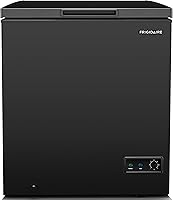
How to Fix a Chest Freezer That Is Not Freezing
Check power first, then the lid seal, airflow and thermostat setting. Most chest freezers that stop freezing trace back to a tripped breaker, a loose plug, a lid left ajar or a blocked vent, and each of those takes minutes to rule out before you call a technician.
On this page (8 sections)
- What should you check first when a chest freezer stops freezing?
- How does a bad lid seal keep a freezer from freezing?
- Can blocked airflow or overloading stop a chest freezer from freezing?
- Is the thermostat or control setting the problem?
- How do you know whether the compressor or refrigerant is the fault?
- How can you tell whether the food is still safe?
- What supplies help you diagnose the problem?
- When is it time to call a technician or replace the freezer?
Check power first, then the lid seal, airflow and thermostat setting. Most chest freezers that stop freezing trace back to a tripped breaker, a loose plug, a lid left ajar or a blocked vent, and each of those takes minutes to rule out before you call a technician.
The steps below run from the simplest check to the ones that need a multimeter or a repair tech. Work in order and stop when the freezer starts cooling again.
What should you check first when a chest freezer stops freezing?
Confirm the freezer has power and the thermostat is on. A tripped breaker, a pulled cord or a dial turned to off causes more warm freezers than any mechanical fault.
Look at the control dial or display first. If it reads off or the coldest setting has slipped, set it back to the recommended mark and shut the lid.
Then check the outlet with a lamp or another small appliance. If the outlet is dead, reset the breaker or test a nearby outlet on the same circuit.
A freezer sharing a circuit with a space heater or a shop vac can trip the breaker the moment both run.
Listen for the compressor. A working freezer hums and cycles on and off; silence usually points to power or a failed start component.
If you hear a click followed by silence, the start relay or the compressor itself may be the problem, and that is a job for a technician.
Give a recently plugged-in or freshly defrosted freezer 12 to 24 hours with the lid shut before judging it. An empty cabinet can take a full day to pull down to temperature, and opening the lid to check every hour only adds time.
How does a bad lid seal keep a freezer from freezing?
A worn or dirty gasket lets warm room air leak in faster than the compressor can remove it. That drives up frost and keeps the cabinet above 0°F.
Run your hand along the gasket with the lid shut. Feel for cold air escaping at the corners and along the front edge.
A thin sheet of paper trapped in the seal and pulled out should drag; if it slides free, the seal is not gripping.
Wipe the seal with a damp cloth to clear crumbs, sticky residue or a folded flap. A gasket that stays flattened or cracked needs replacing, and most models sell replacement seals by part number.
Fit the new seal before you spend money on anything else.
Check that nothing sits on the lid lip and that the cabinet is level. A freezer tilted against a wall or resting on an uneven floor can leave the lid slightly open.
If your freezer lives in a garage or on a porch, review whether the spot suits the appliance at all with our guide to whether you can keep a chest freezer outside.
Can blocked airflow or overloading stop a chest freezer from freezing?
Yes. A freezer packed tight or pushed against a wall cannot shed heat, so the interior stays warm.
Air needs to move around the cabinet and through the vents.
Leave 2 to 3 inches of clearance around the sides and back. Pull the freezer away from the wall and clear boxes, shelves or stored gear that crowd the compressor area.
Coils caked in dust and pet hair shed heat poorly too, so brush or vacuum them when you have the freezer pulled out.
Inside, keep food below the load line marked on the wall. Baskets help here: the MSERCUOR set has 4 straight-sided metal baskets that stack and keep packs grouped without blocking the vent.
Sizing the baskets to your cabinet
Each basket measures 15.1 x 8 x 6.5 inches. Measure the opening and the floor space over the compressor hump before you buy, since the hump eats into usable depth at one end.
Skip the baskets if you store bulky cuts that need open floor space. Either way, don't stack packages against the interior walls; that traps warm air near the liner.
A single row of baskets down one side and open floor on the other is often the easiest layout to keep clear.
Is the thermostat or control setting the problem?
A thermostat set too warm, or a control that has failed, is a common reason a chest freezer runs without freezing. Start with the dial before you suspect the part.
Set the control to the middle of its range or to the temperature the manual recommends, often 0°F. Wait a full day with the lid closed.
Nudging the dial down one notch at a time is safer than jumping to the coldest setting, which just wastes energy and builds frost.
If the compressor runs nonstop and the interior stays warm, the thermostat may be stuck open. A chest freezer that never kicks on at all can point to a failed thermostat or a bad start relay.
Test the outlet and the cord before replacing anything. A cheap plug-in thermometer left inside the cabinet tells you what the freezer is actually doing, and a dial reading is more useful than a hand on the lid.
How do you know whether the compressor or refrigerant is the fault?
If the freezer has power and a good seal but the compressor stays silent or the cabinet stays warm, the sealed system is the likely culprit. That is the point to stop and call a pro.
Signs to watch for include a compressor that clicks and shuts off, a cabinet that feels warm on the outside, or frost only in one corner. None of these are do-it-yourself fixes.
Refrigerant leaks need a licensed technician with gauges and recovery gear. Recharging a system without finding the leak just repeats the problem in a few weeks.
A freezer that cools well and then warms up on a regular cycle fits that pattern too, so note the timing for the tech.
Get a quote before you authorize the repair. Compare the estimate against the price of a replacement, and factor in the age of the unit.
Our guide to how long chest freezers last helps you judge whether a fix is worth it.
How can you tell whether the food is still safe?
Food that still holds ice crystals or sits at 40°F or below can usually be refrozen. Anything warmer than that for more than 2 hours should be thrown out.
Keep the lid shut while you troubleshoot so cold air stays inside. Every opening costs the cabinet several degrees and time to recover.
Check packages with a thermometer rather than by touch. A thawed package that feels cold can still be above the safe mark.
Group what you plan to keep and move it to another freezer or an ice-packed cooler if the repair will take a while. Discard meat, dairy and prepared meals that have clearly softened.
Once the freezer is cold again, a quick defrost clears the frost the warm spell built up. Our walkthrough on how to defrost a chest freezer covers the steps and the meltwater.
What supplies help you diagnose the problem?
A thermometer, organizer baskets and a plastic scraper cover the three checks that matter most. None of them fixes a sealed system fault, but each helps you rule out the simple causes.
The PECULA 2-pack measures from -20 to 80°F in a large dial and runs without batteries. Hang one dial inside the cabinet and keep the other in reserve, so you can confirm the real temperature after each change.
Getting a reliable reading
Place it away from the walls and wait for it to settle after a lid opening. Check it at the same time each day so you compare like with like.
Skip the pair if you want a remote display or an alarm instead.
Once you know the freezer holds temperature, a plastic scraper helps clear any frost the warm spell left behind. The SKrAPr set has a large scraper with a 1.7-inch blade and a mini tool for corners.
Keep the blade flat and use light pressure. Wait until frost loosens, and never use a knife or metal tool on the liner.
If your manual calls for a specific tool, follow it.
When is it time to call a technician or replace the freezer?
Call a pro when the freezer has power, a clean seal and clear airflow but still won't hold 0°F after a full day. That combination points to a fault you cannot safely fix yourself.
Before you book the visit, confirm the outlet works, the thermostat sits at the right setting and the cabinet has room to breathe. Note whether the compressor runs and whether the walls feel warm.
Those two answers help the tech decide what to bring.
A repair quote above roughly half the cost of a new freezer is usually a sign to replace rather than fix, especially on a unit more than 10 years old. Sealed system work is the most expensive repair on a chest freezer.
If the freezer sits in a garage that gets very hot, moving it indoors may solve the problem without a repair. Our guide to whether you can put a chest freezer in the garage covers the climate ratings to check first.
The steps for how to fix a chest freezer not freezing are the same each time: power, seal, airflow, thermostat, then the sealed system. Work down that list, and you'll know within a day whether the freezer needs a technician or a replacement.
Frequently asked questions
Why is my chest freezer running but not getting cold?
A freezer that hums without cooling often has a thermostat set wrong, a vent blocked by stored food, or a failing compressor. Feel the outer walls for warmth and listen for the compressor cutting in and out.
If it runs constantly without frost, the sealed system likely needs a technician.
How long does a chest freezer take to reach freezing after I plug it in?
Most chest freezers need 12 to 24 hours to reach 0°F after a move or a full defrost. Loading it with warm food slows that down further.
Give it a full day with the lid shut before you decide it is broken.
Should I unplug a chest freezer that has stopped freezing?
Leave it plugged in while you check the basics, since a tripped breaker or loose cord is the most common cause. Unplug it only if the interior is wet or the cabinet feels unusually warm.
Once food has thawed above 40°F for more than 2 hours, discard it.
When should I call a repair technician instead of troubleshooting?
Call a technician when the freezer has power, a clean seal and clear airflow but still stays warm after a full day. A sealed system fault, a bad compressor or a refrigerant leak needs tools and certification you do not have at home.
Can a chest freezer in a hot garage stop freezing?
Yes. Many chest freezers are rated for specific room temperatures, and a garage that climbs past that range can stop the cabinet from holding 0°F.
Check the model's climate rating and move the freezer somewhere cooler before assuming a repair is needed.