How to Dispose of a Deep Freezer
The simplest way to dispose of a deep freezer is to empty and defrost it, remove the lid or latch so kids can't get trapped inside, then book a curbside or retailer pickup. If your area won't take it at the curb, a scrap metal yard or transfer station usually will, sometimes for free.
On this page (9 sections)
- What are your options for getting rid of a deep freezer?
- How do you prepare a deep freezer for disposal?
- Why should you remove the lid or latch before disposal?
- How do you move a deep freezer out of the house?
- Where can you recycle a deep freezer near you?
- Can you sell or donate a freezer that still works?
- What should you do with the food and frost before disposal?
- What if your area won't take the freezer at the curb?
- How do you dispose of a deep freezer without breaking the rules?
The simplest way to dispose of a deep freezer is to empty and defrost it, remove the lid or latch so kids can't get trapped inside, then book a curbside or retailer pickup. If your area won't take it at the curb, a scrap metal yard or transfer station usually will, sometimes for free.
Disposal is really three jobs: get the food and frost out, make the empty cabinet safe, and hand it to someone set up to recycle the metal and the refrigerant. Do them in that order and the whole thing takes an afternoon.
What are your options for getting rid of a deep freezer?
Curbside appliance pickup, a retailer haul-away, a transfer station, or a scrap yard are the four routes most people use. The right one depends on whether the freezer still works and what your local waste service allows.
Curbside is the least effort when your hauler offers bulk appliance collection. Many cities include one or two large-item pickups a year in the regular bill, and you schedule them by phone or online.
Retailer haul-away works well when you're buying a replacement. Many appliance sellers will take the old unit when they deliver the new one, often for a fee.
Ask at checkout whether the old freezer counts as an eligible appliance.
A transfer station or county recycling center is the fallback when curbside won't take appliances. Scrap yards buy metal by weight, so an empty freezer is worth something as steel even if the payout is small.
Call first, because not every yard handles sealed refrigerant systems.
How do you prepare a deep freezer for disposal?
Empty it completely, let it defrost, clean and dry the interior, then remove the lid or latch. An empty, frost-free cabinet is lighter to move and safe to handle, and many haulers won't take a loaded freezer.
Start by moving the food. Another freezer or a cooler packed with ice buys you time, so plan the defrost around a low-stock week.
Toss anything that has thawed and warmed above 40°F.
Let the frost soften with the lid open, then lift out loose ice with a plastic tool. Our guide to how to clean a deep freezer walks through the wipe-down and the drain, and it's worth doing before the unit leaves your house.
Remove baskets, the drain plug and any loose shelves, and dry the liner. A clean freezer is also easier to sell or donate if it still runs.
Which scraper is safe for removing frost before disposal?
Use a plastic tool and light pressure, and stop if you'd have to pry at bonded ice. A punctured liner means refrigerant or foam insulation is exposed, which makes the unit harder to recycle.
The SKrAPr set gives you a large scraper with a 1.7-inch blade plus a mini version for corners. The rounded handle suits a palm grip, and the blade sits nearly flat against the wall.
Skip it if your freezer came with its own scraper or you only need one broad tool. Either way, never use knives or metal scrapers on a freezer liner.
The MSTEKI set is the better pick if you want several sizes. Its large, medium and small plastic scrapers let you work the walls and then the tight corners without changing tools.
Why should you remove the lid or latch before disposal?
An empty chest freezer is a suffocation hazard if a child climbs in and the lid closes. Removing the lid, or the latch that holds it shut, removes the trap before the unit sits at the curb or in a garage.
This is why so many haulers and transfer stations ask you to take the door or lid off first. It's the same rule that applies to old refrigerators.
Do it as soon as the freezer is empty, even if pickup is days away.
On most chest freezers the lid lifts off its hinges after you remove a few screws, or the hinges themselves come off with a screwdriver. If the lid is sealed or you can't remove it, disable the latch so the lid can't lock shut.
Keep the cabinet indoors or in a locked garage until collection day if children or pets have access to the yard. An empty freezer left open in the driveway also collects rain, which makes it heavier to move.
How do you move a deep freezer out of the house?
Empty and defrosted, a chest freezer is still heavy, so get a second person and a hand truck. Measure the doorways and turns on the route before you start, and clear the path first.
Chest freezers are wide and low, which makes them awkward on stairs. Tip the unit only as far as the wheels of a hand truck require, and never lay it on its side or back for the trip out.
Straps around the cabinet keep the lid from swinging open.
Protect floors with a moving blanket or cardboard, and lift with your legs rather than your back. If the freezer is in a basement and the stairs are tight, a two-person appliance dolly is worth borrowing or renting.
Don't drag it across finished flooring. The compressor and base can catch on thresholds, and the cabinet edges are sharp.
Where can you recycle a deep freezer near you?
Your city or county waste department is the best starting point, followed by scrap yards and retailer take-back programs. Each lists whether it accepts appliances, whether it charges a fee, and whether it collects from the curb.
Search your local government's waste page for "appliance recycling" or "bulky item pickup." Many list transfer station hours, accepted items and any charge per appliance.
Scrap metal recyclers take the steel shell. A yard will usually want the unit empty and may ask you to show that the refrigerant was handled.
Some yards accept whole appliances and manage the refrigerant themselves.
Retailer and utility programs are the other route. Some appliance sellers offer haul-away with a new purchase, and some utilities run rebate or pickup programs for old refrigerators and freezers.
Ask before you buy the replacement.
Can you sell or donate a freezer that still works?
Yes, a working freezer is worth selling or donating before you scrap it. If it holds temperature and the seal is intact, someone setting up a garage or a spare kitchen will often take it.
Test it first. Plug it in empty, let it run for a day and check the interior with a deep freezer thermometer to confirm it reaches 0°F.
A unit that won't get cold is a scrap candidate, not a sale.
Clean it thoroughly and photograph the interior before listing it. Be upfront about its age, any frost buildup and the condition of the lid seal.
A buyer who knows what they're getting is less likely to bring it back.
Donation works too. Local charities, habitat groups and community groups sometimes take working appliances.
Call ahead, because many only accept units they can test and store.
What should you do with the food and frost before disposal?
Move the food to another freezer or a cooler first, then let the frost melt and mop up the water. Plan the disposal around a low-stock week so you're not moving a full cabinet in a hurry.
Keep frozen food packed close in a cooler with ice or frozen packs, and keep the lid shut. Food that still has ice crystals or stays at 40°F or below can generally be refrozen, though quality may change.
Discard anything that sat warm for more than two hours.
Catch the meltwater with towels and a shallow tray, and keep the cord and outlet dry. Once the freezer is clean and dry, unplug it and coil the cord so it doesn't drag.
If you're moving the food into a replacement unit, check what temperature a deep freezer should be before you reload it. A deep freezer vs regular freezer comparison helps if you're deciding what to buy next.
How do organizer bins help during the swap?
Bins let you lift whole groups of food out at once and carry them to the new freezer or cooler. That's faster than moving packages one at a time and keeps categories together.
The MSERCUOR set includes 4 metal baskets with straight sides, folding construction and handles that turn inward for stacking. Each basket measures 15.1 x 8 x 6.5 inches.
Measure the opening and interior floor before buying. Skip the set if you store bulky cuts that need open floor space or already have baskets that lift out easily.
How do you check the freezer before it leaves?
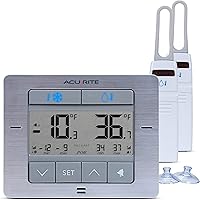
A dial thermometer confirms whether the unit still cools, which decides between selling and scrapping. The PECULA 2-pack has analog dials that hang or stand inside the cabinet and read down to -20°F.
Place one away from the walls and give it time to settle after you close the lid. Skip the pair if you want a remote display or an alarm for the replacement freezer.
What if your area won't take the freezer at the curb?
Call your hauler and ask what it needs, then fall back to a transfer station or scrap yard. Many services take appliances only with a scheduled bulk pickup, and some charge a fee per unit.
Ask three questions: does it accept chest freezers, does it require the lid or latch removed, and does it handle the refrigerant. The answers tell you whether to schedule a pickup or load the unit yourself.
If curbside is out, a county transfer station usually takes appliances during posted hours. Bring the empty, clean freezer and expect to pay a small gate fee at some sites.
A scrap yard may take it free or pay a few dollars by weight.
Don't leave an appliance at the curb without permission. Illegal dumping fines are common, and an empty freezer left outside is a safety risk until the lid is off.
How do you dispose of a deep freezer without breaking the rules?
Defrost it, remove the lid or latch, and hand it to a service set up to recycle the metal and refrigerant. The legal part matters most for the sealed cooling system, so let a certified facility handle that step.
The short version: empty and clean the freezer, make the empty cabinet safe, then choose curbside, retailer haul-away, a transfer station or a scrap yard. Sell or donate it first if it still cools.
For the cleaning step before pickup, our how to clean a deep freezer guide covers the liner, seal and drain. Once the old unit is gone, how to organize a chest freezer helps the replacement stay tidy from day one.
Frequently asked questions
How much does it cost to get rid of a deep freezer?
It depends on the route. Curbside pickup with your regular trash service is often included in your bill, retailer haul-away can carry a fee, and many scrap yards accept metal freezers at no charge because they recycle the steel.
Can I put a deep freezer out with my regular trash?
Sometimes, but only if your hauler accepts large appliances and you follow its rules. Most services want the freezer empty, the door or lid removed, and the refrigerant handled legally, so call your hauler before you set it out.
Do I need to remove the lid before disposal?
Yes. Removing the lid or latch on a chest freezer prevents a child from climbing in and getting trapped.
Many trash haulers and transfer stations require this step, and it's a safety rule worth doing even when no one asks.
Can I sell a used deep freezer instead of scrapping it?
Yes, if it still runs and holds temperature. A working freezer has resale value to a buyer who wants a garage or spare freezer.
Test it for a day first, clean it thoroughly, and be honest about its age and any frost or seal problems.
What do I do with the refrigerant in an old freezer?
Let a licensed technician or a certified recycler recover it. Older freezers use refrigerants that must be captured rather than vented, and a proper appliance recycling facility has the equipment to do that safely.