Do You Really Need a Garage Ready Freezer?
Yes, if your freezer lives in an unheated garage, shed, or basement. A garage ready freezer is rated to keep food frozen through cold and warm swings that a standard freezer isn't built to handle.
On this page (9 sections)
- What does garage ready mean on a chest freezer?
- When do you really need a garage ready freezer?
- How is a garage ready freezer different from a regular one?
- Is a garage ready freezer worth the extra cost?
- Do you need a garage ready freezer in a mild climate?
- Which garage ready freezers are worth a look?
- How do you set up a freezer in the garage?
- What else should you know before buying?
- So, do you really need a garage ready freezer?
Yes, if your freezer sits in an unheated garage, shed, or basement, you really need a garage ready freezer. These models are rated to hold food frozen through the cold snaps and summer heat that a standard freezer isn't built to survive.
The question "do I really need a garage ready freezer" comes up most in homes where the kitchen has no room for a second appliance. The garage is the natural spot, but it's also the harshest spot in the house.
Here's how to tell whether the rating matters for your setup.
What does garage ready mean on a chest freezer?
It means the freezer is rated to run across a wider room temperature range. A standard freezer is designed for a conditioned space, roughly 55°F to 110°F.
A garage ready unit is rated to keep working from around 0°F up to 110°F.
That matters because a freezer's thermostat reads the room, not just the food. In a freezing garage, a standard freezer's thermostat can misread the cold air and shut the compressor off, letting food thaw.
In a hot garage, the compressor has to work harder and may not hold 0°F at all. Our full explainer on what a garage ready chest freezer means covers the rating labels in detail.
Garage ready models often add extra insulation and a heater around the thermostat so it keeps reading accurately in extreme cold. The rating is the thing to look for, not the marketing name.
When do you really need a garage ready freezer?
You need one when the freezer's location drops below 55°F or climbs above 110°F for long stretches. An unheated garage, a shed, a screened porch, or a basement that gets cold in winter all qualify.
If your garage stays mild year round, say between 55°F and 95°F, a standard freezer can work fine. Most garages don't.
Summer sun on a metal door can push the inside past 100°F, and winter cold can fall below freezing for weeks.
Other reasons to step up to a garage ready model:
- The freezer sits in a garage that gets direct afternoon sun.
- You live somewhere with hard freezes and no heat in the garage.
- The freezer holds expensive meat or a full season of garden produce.
- You want one appliance to last through both summer and winter without babysitting it.
If your setup is the opposite, a small indoor freezer near the kitchen may suit you better. Our guide on whether you can put a chest freezer in the garage walks through the space and placement questions.
How is a garage ready freezer different from a regular one?
The main difference is the rated temperature range, plus the hardware that supports it. A regular freezer gets a narrower ambient rating and may skip the thermostat heater and extra wall insulation.
Three practical differences stand out:
- Rated ambient range. Garage ready units are rated for roughly 0°F to 110°F. Standard units are rated for a conditioned room.
- Thermostat protection. Many garage ready models wrap the thermostat in a small heater so it doesn't freeze and shut the compressor down.
- Insulation and seals. Extra insulation helps hold temperature when the garage swings hot or cold.
The compressor and interior are often the same. You're paying for the rating and the cold-weather hardware, not a bigger box.
Our side-by-side on garage ready vs regular chest freezer compares the two in more depth.
Is a garage ready freezer worth the extra cost?
Yes, for most garage placements it's worth the small premium. A garage ready freezer usually costs a bit more than a standard model of the same size.
The gap is small compared to replacing a freezer full of meat after one bad heat wave.
The math is simple. A standard freezer that loses temperature in a 105°F garage can spoil hundreds of dollars of food in a day.
A garage ready unit is rated to keep running in that same garage. You're buying insurance against a failure mode you can't control.
Skip the upgrade only if the freezer stays in a conditioned space. A garage ready model in a climate-controlled kitchen costs more without adding much.
Buy the rating for the location you actually have.
Do you need a garage ready freezer in a mild climate?
Not always. If your garage never gets near freezing and stays under about 95°F, a standard freezer can handle it.
Mild coastal climates and insulated garages often fall in this range.
Check the actual temperatures first. A cheap thermometer left in the garage for a week in summer and a week in winter tells you more than a guess.
If the swing stays inside the standard range, you can save money with a regular freezer.
Even in a mild climate, a garage ready model is a reasonable buy if the price gap is small. It gives you margin for an unusual cold snap or a heat wave that pushes the garage past its normal range.
Which garage ready freezers are worth a look?
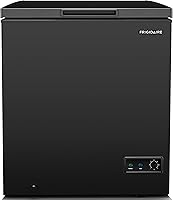
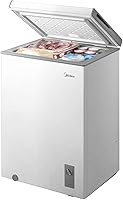
A few models come up often for garage placements. These are the ones we'd point a garage owner toward first.
Sizes and features vary by model, so measure your garage corner and door opening before you order. A freezer that won't fit through the door is a problem no rating solves.
Our roundup of garage ready chest freezers lists the models we'd shortlist for a garage.
How do you set up a freezer in the garage?
Give it clearance, a level floor, and a power outlet that stays dry. Keep the freezer off a damp concrete floor if possible, and leave space around the sides and back for airflow.
A few setup steps make a real difference in a garage:
- Clear the vents. Leave several inches around the back and sides so the compressor can shed heat.
- Level it. A tilted freezer can strain the lid seal and let cold air escape.
- Protect the cord. Route the cord away from door tracks and any spot where meltwater or rain could reach it.
- Check the outlet. Use a grounded outlet on its own circuit if the garage wiring allows.
- Keep it out of direct sun. A freezer in a sunbeam works harder all afternoon.
Once it's running, give it a day to reach temperature before loading it with food. Check the interior temperature after a hot afternoon and a cold night to confirm it's holding.
What else should you know before buying?
Match the rating to the location and the size to your household. A garage ready freezer solves the temperature problem.
It doesn't solve a freezer that's too big for the space or too small for the food you store.
A few buying notes:
- Check the label. Look for the garage ready rating on the spec plate or the maker's spec page, not just the product name.
- Size to your storage. About 1.5 to 2 cubic feet per person is a common starting point for a chest freezer.
- Plan the door. Measure the garage door and any interior doorway the freezer must pass through.
- Factor in power. A garage outlet on a GFCI circuit is safer near a damp floor.
If you're comparing shapes, an upright is easier to organize while a chest holds cold better when the lid opens. For most garages, a chest freezer is the simpler choice.
So, do you really need a garage ready freezer?
If your freezer lives in an unheated garage, shed, or porch, the answer is yes. The garage ready rating is what keeps food frozen when the room swings past the range a standard freezer can handle.
Buy a garage ready model when the garage gets hot in summer or cold in winter. A regular freezer is fine only in a conditioned space or a garage that stays mild all year.
If you're still deciding, start with can you put a chest freezer in the garage and then compare garage ready chest freezers to find a size that fits your corner. The rating costs a little more up front.
For a garage placement, it's the difference between a freezer you can trust and one you have to watch.
Frequently asked questions
Can a regular chest freezer go in the garage?
It can run there, but a regular freezer is rated for a narrower room temperature range. In a hot or freezing garage it may lose temperature control and spoil food.
Check the rating label before you commit.
How much more does a garage ready freezer cost?
Garage ready models usually cost a little more than a standard freezer of the same size. The gap is small next to replacing spoiled food after a heat wave or cold snap.
Does a garage ready freezer keep food frozen in a freezing garage?
The rating covers the freezer running in a cold garage without the thermostat misreading the room. Food stays frozen as long as the unit has power and the lid stays shut.