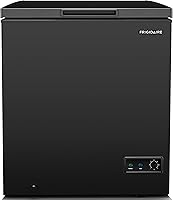
How Much Does a Small Chest Freezer Cost?
A small chest freezer usually costs more than a mini fridge and less than a full-size freezer, with 3.5 to 5 cu ft models sitting in the budget tier and 7 cu ft models edging into mid-range. Size is the biggest price lever, followed by a garage-ready rating and extras like baskets and locks.
On this page (7 sections)
- What drives the price of a small chest freezer?
- How much do 3.5 to 5 cu ft models cost?
- How much do 7 cu ft models cost?
- Is a garage-ready freezer worth the extra cost?
- What features are worth paying for?
- How much does a small chest freezer cost to run?
- Which small chest freezer fits your budget and space?
A small chest freezer usually costs more than a mini fridge and less than a full-size freezer, with 3.5 to 5 cu ft models sitting in the budget tier and 7 cu ft models edging into mid-range. Size is the biggest price lever, followed by a garage-ready rating and extras like baskets and locks.
The short answer to how much does a small chest freezer cost is that you pay for capacity first and features second. A bare-bones 3.5 cu ft model and a loaded 7 cu ft model sit at opposite ends of the same small-freezer category.
Below is what moves the number up or down, and which size fits each kind of buyer.
What drives the price of a small chest freezer?
Capacity sets the base cost, then features and location add to it. A 3.5 cu ft freezer uses less material and a smaller compressor than a 7 cu ft model, so it starts cheaper.
Every step up in size adds storage space and usually a higher price. A freezer rated for garage use costs more than a standard model of the same size because of its wider temperature range.
Extras like interior baskets, a lock, a power indicator light or a defrost drain also nudge the price up.
Brand and build quality matter too. A freezer with a longer warranty and thicker insulation usually costs more than a basic model at the same capacity.
Energy rating matters for running cost more than purchase cost, but a more efficient model can cost a little more up front.
The cabinet shape is another factor that keeps chest prices down. A chest freezer is a simple box with a top-opening lid, so there is less hardware and fewer seals than an upright.
That simpler build is part of why a small chest costs less than an upright of the same capacity.
How much do 3.5 to 5 cu ft models cost?
These are the budget-tier small chest freezers, and they cover most one or two person households. A 3.5 cu ft model holds a few weeks of meat and frozen vegetables, and a 5 cu ft model adds room for batch cooking and sale items.
This size range is where price stays lowest. The cabinet is compact, the compressor is small and the feature list is short.
For a first freezer or a small apartment, this is the sensible band to shop.
The 3.5 cu ft end is the tightest fit. It suits a corner, a closet or the space beside a kitchen counter, and it holds enough for one person's everyday frozen food.
The 5 cu ft end is the step up for couples, with room for a bulk meat order plus vegetables and batch-cooked meals.
Our guide to the best 3.5 cu ft chest freezer picks the compact models worth the money. If you want a bit more room without jumping to a big cabinet, the best 5 cu ft chest freezer roundup covers that step up.
How much do 7 cu ft models cost?
A 7 cu ft chest freezer sits at the top of the small category and into the mid-range tier. It holds noticeably more than a 5 cu ft model and suits families, bulk buyers and anyone storing garden produce.
The price gap between 5 and 7 cu ft is usually modest compared with the extra storage you get. That makes 7 cu ft a popular pick for households that buy a quarter or half of a cow, or that shop sales in volume.
The extra room also changes how you load the freezer. A 7 cu ft cabinet can take larger cuts and full boxes without everything stacking on top of each other, which matters if you store garden harvests or buy frozen goods in bulk.
The best 7 cu ft chest freezer roundup lists models in this size and what each one adds. Compare the interior layout before you buy, since basket design changes how usable the space feels.
Which size should a family choose?
A family that cooks most meals at home usually gets more value from 7 cu ft than from 5 cu ft. The modest price gap buys room for a bulk meat order and still leaves space for everyday items.
A couple with a small kitchen and no bulk buying habit can stay at 5 cu ft and put the difference toward a garage rating or a better energy rating.
Is a garage-ready freezer worth the extra cost?
Yes, if the freezer will live in a garage, shed or other space that gets hot or cold. A standard freezer can struggle or shut down when the room temperature drops too low or climbs too high.
A garage-ready model is built to keep running across a wider range. You pay more for that rating, but it protects the compressor and the food.
If the freezer stays in a climate-controlled kitchen, skip the upgrade and save the money.
Check the room's summer highs and winter lows before you decide. A garage that bakes in July and freezes in January is exactly where the rating earns its price.
Our garage-ready chest freezers guide covers what the rating means in practice. If you are unsure about the space, the rating is the safer buy.
What features are worth paying for?
Baskets, a lock and a drain are the features most buyers actually use. A wire basket keeps small items from sinking to the bottom of the cabinet.
A lock matters in a shared garage or a home with kids. A defrost drain makes manual defrosting easier, since meltwater can flow out instead of pooling.
A power indicator light tells you the freezer has power after an outage, and an interior light helps when the freezer sits in a dim corner.
Skip features you won't use. A lock on a freezer in a locked house adds little, and a second basket only helps if you store many small packages.
Put the money into capacity or a garage rating instead.
What should you skip?
Skip a lock if the freezer sits in a locked kitchen. Skip an interior light if the space is already bright.
Skip extra baskets if you mostly store large cuts. Each feature adds cost, and the ones you never touch just raise the price without adding value.
Spend on capacity or the garage rating first.
How much does a small chest freezer cost to run?
Running cost is usually small, often a few dollars a month for a compact model. The exact figure depends on the energy rating, your electricity rate, the room temperature and how often the lid opens.
Chest freezers hold cold air well because cold air stays low when the lid lifts. That shape helps a small model stay efficient.
A freezer in a hot garage uses more power than one in a cool basement, even at the same size.
Check the energy guide label when you compare models. A slightly higher purchase price for an efficient model can pay back over several years.
Defrosting when frost builds up also keeps the compressor from working harder than it needs to. Weigh the garage rating and the energy rating together when you compare a standard and a garage-ready model at the same size.
Which small chest freezer fits your budget and space?
Pick by size first, then add the features you'll use, and only then look at brand. A 3.5 cu ft model is the budget pick for tight spaces, a 5 cu ft model is the middle ground for most couples, and a 7 cu ft model is the mid-range choice for families and bulk buyers.
Our roundup of the best small chest freezers puts the top compact models side by side. It helps you see which size and feature set gives the most for the money in your space.
Measure the spot before you shop. Doorway width, the space beside the car and the height under a shelf all limit which cabinet fits, and a freezer that doesn't fit the room costs more than any price difference between models.
Once it's home, follow the setup steps in our chest freezer care and setup guide to place it level and let it cool before loading food.
Frequently asked questions
Is a small chest freezer cheaper to run than a large one?
Usually yes, because a smaller cabinet holds less warm air and the compressor runs less. Running cost still depends on the energy rating, room temperature and how often the lid opens.
A small freezer in a hot garage can use more power than a larger one in a cool basement.
What size small chest freezer is best for one or two people?
A 3.5 to 5 cu ft model covers most one or two person households. That range holds a few weeks of meat, frozen vegetables and batch-cooked meals without leaving half the cabinet empty.
Step up to 7 cu ft if you buy in bulk or store garden produce.
Why do garage-ready chest freezers cost more?
A garage-ready rating means the freezer is built to keep working across a wider temperature range than a standard model. That rating adds cost, but it protects the compressor and food when the space swings from hot summers to cold winters.
Buy it only if the freezer will live in an unheated space.
Can a small chest freezer replace a fridge freezer?
No. A chest freezer only freezes, so you still need a fridge for fresh food.
Think of a small chest freezer as extra frozen storage that frees up space in your kitchen fridge freezer.
Many buyers add one to hold bulk meat, garden produce or sale items.
Do small chest freezers cost more to buy than uprights?
Chest freezers typically cost less than upright freezers of the same capacity. The chest shape is simpler to build and holds cold air better when the lid stays shut.
An upright costs more for the same space but is easier to organize and reach into.
When is the best time to buy a small chest freezer?
Freezer prices tend to dip during seasonal sales and around major holiday events. Watch for markdowns on last year's models when a brand releases a new line.
Waiting for a sale can save money without changing which size you need.